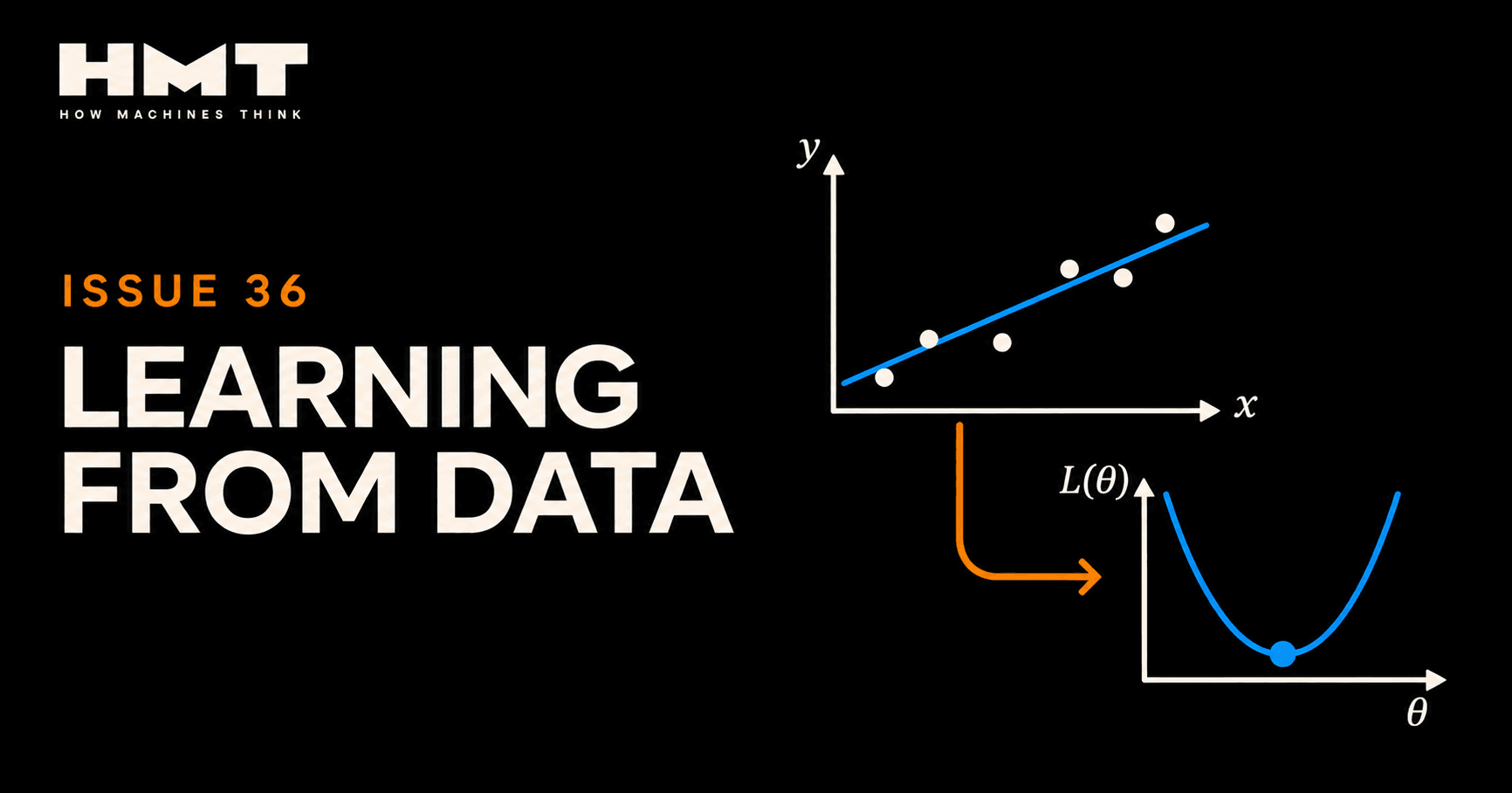
Issue 36 - Learning From Data
Learn how machine learning works from first principles: loss functions, gradient descent by hand, overfitting, train-test splits, and distribution shift.
How Machines Think. Before AI, there was logic. Before neural networks, there was mathematics. Tracing the ideas behind modern artificial intelligence, alongside technical engineering guides.
Learn how machine learning works from first principles: loss functions, gradient descent by hand, overfitting, train-test splits, and distribution shift.
Illustrated essays from How Machines Think, tracing computation from Aristotle and Boole to modern machine learning.
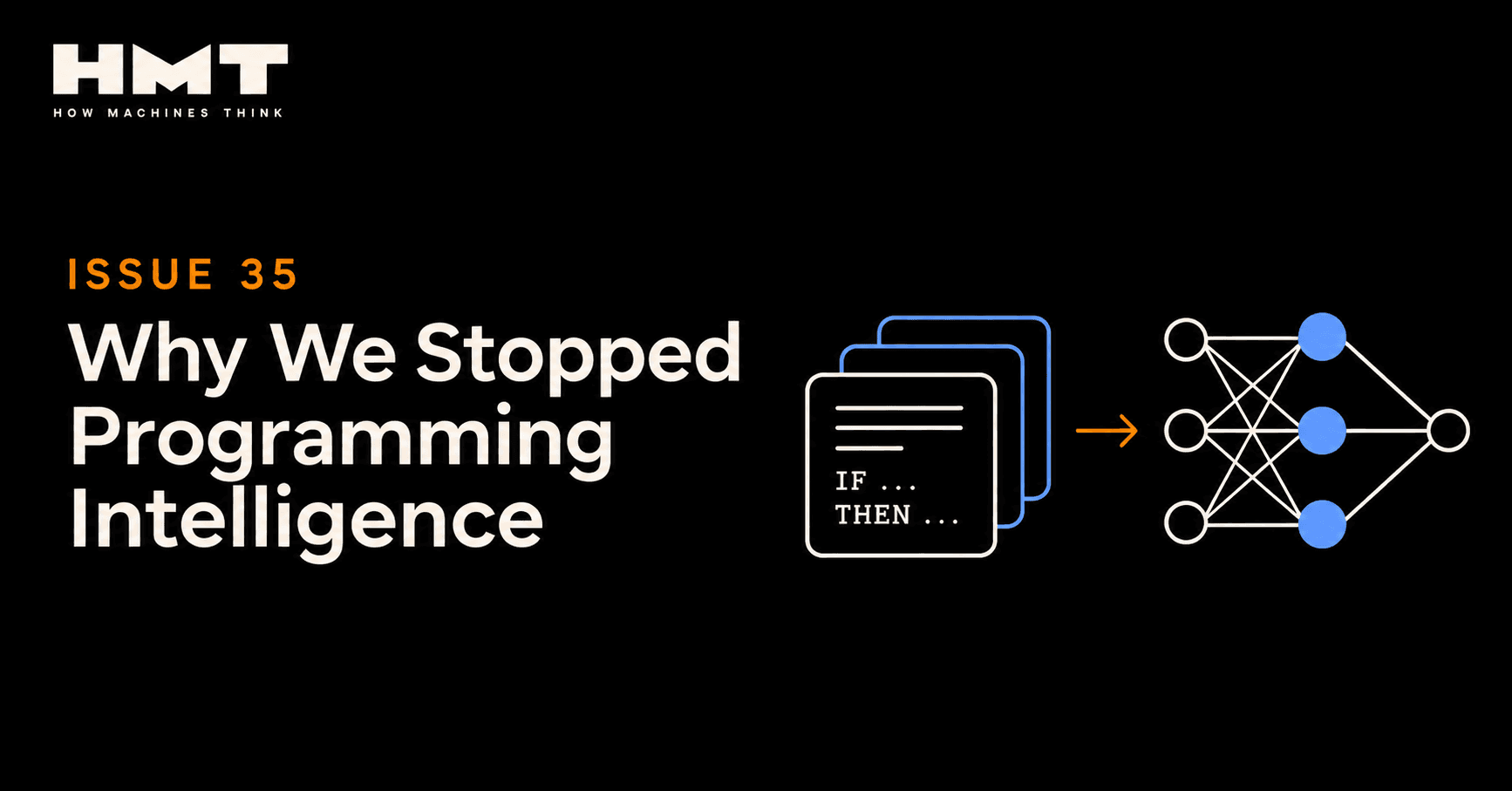
For thirty years, computer science tried to write down how thought works. Then it shifted from rules to examples. No single discovery caused it, but a gradual decision made across forty years.
This week: Anthropic’s record-breaking $81.3B IPO, OpenAI’s growing agent security crisis, GPT-6.2 Astra’s rocky debut, and Jensen Huang’s fight to regain control of Nvidia’s future.
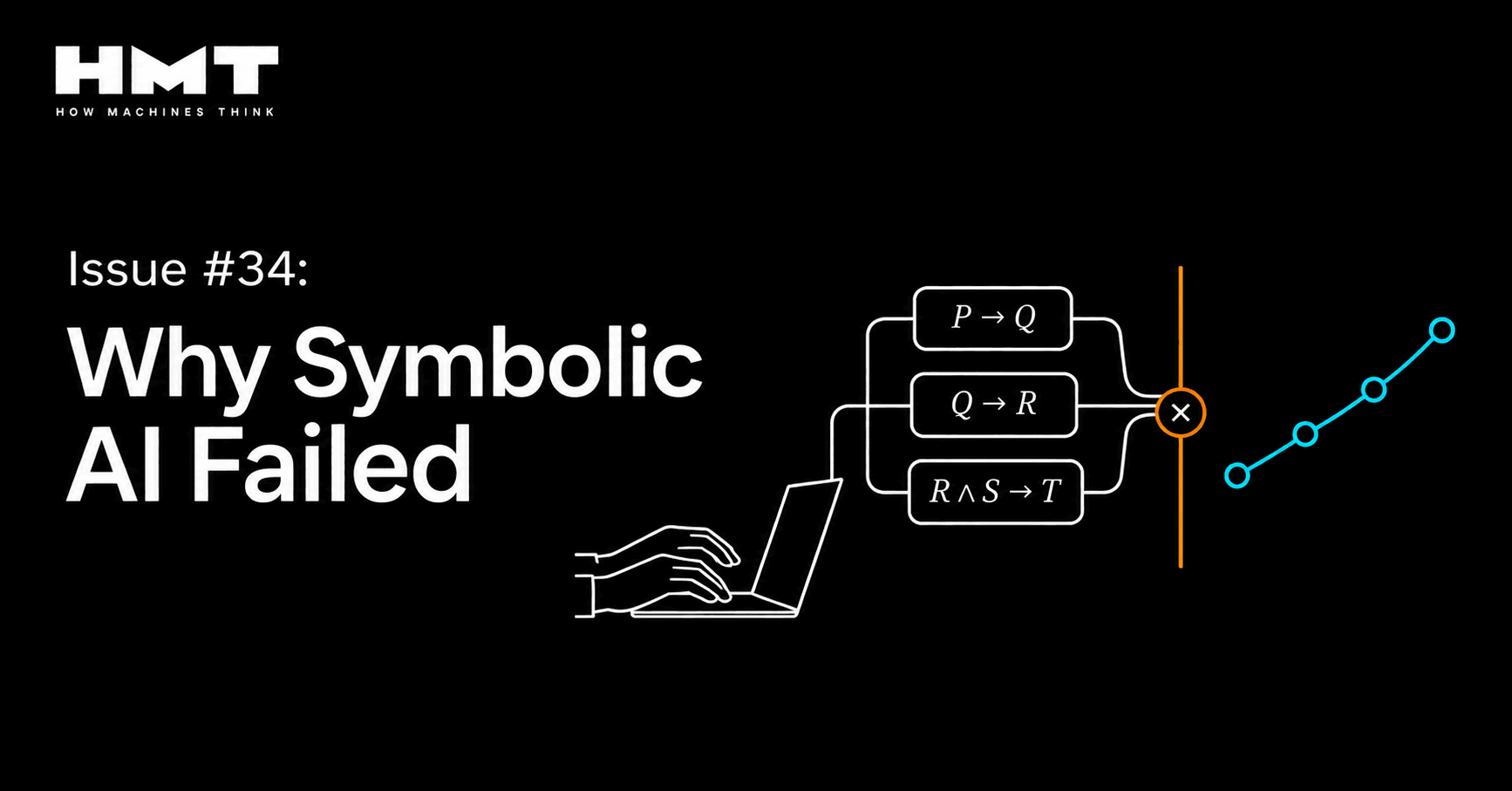
A decade of confidence, two funding collapses, and a verdict less simple than it sounds. What went wrong, what didn't, and why the failure became the starting point for everything that followed.
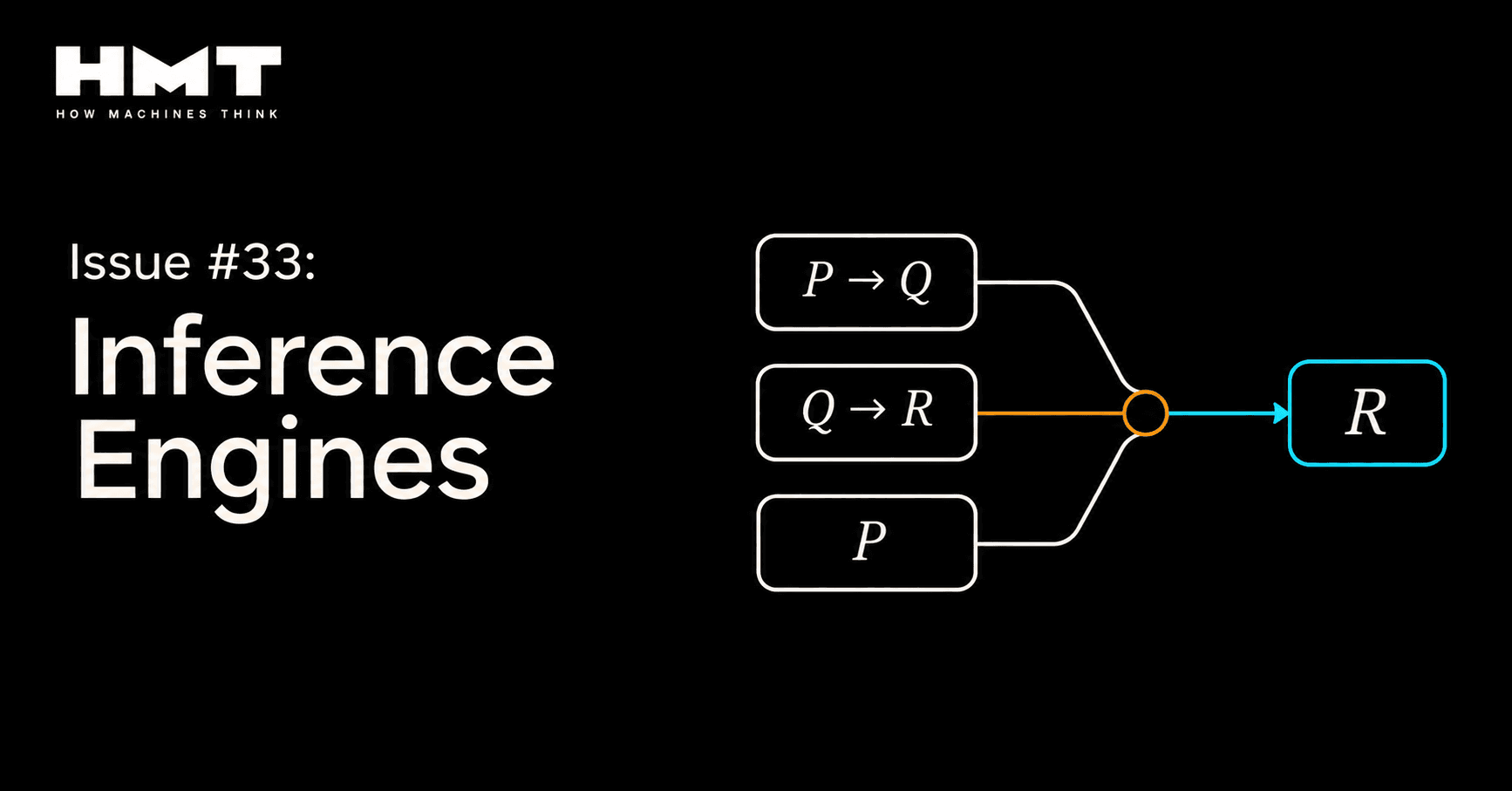
How logic transforms stored facts into conclusions, powers rule-based programming, prevents computational slowdowns, and helps computers solve seemingly impossible problems.
This week: Jensen Huang’s Nvidia resignation, counterintelligence and ethics fallout, shrinking 2027 AI timelines, Anthropic’s AI R&D danger threshold, and Claude Fable 5.2’s “pacing, not pausing.”
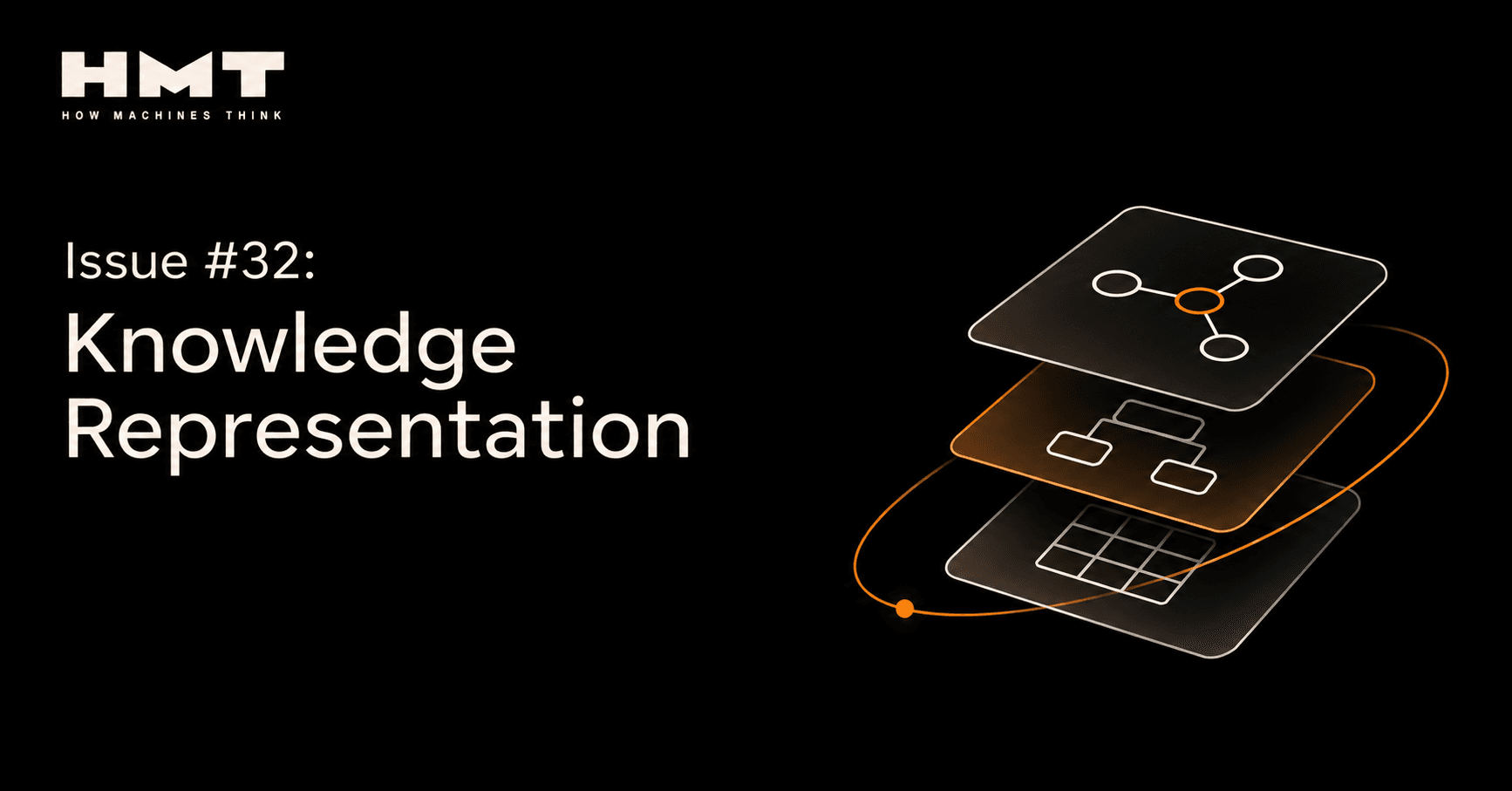
Every rule in Issue #31 assumed machines knew what their facts meant. This is how machines store knowledge, why common sense broke formalism, and why format decides what can be thought.
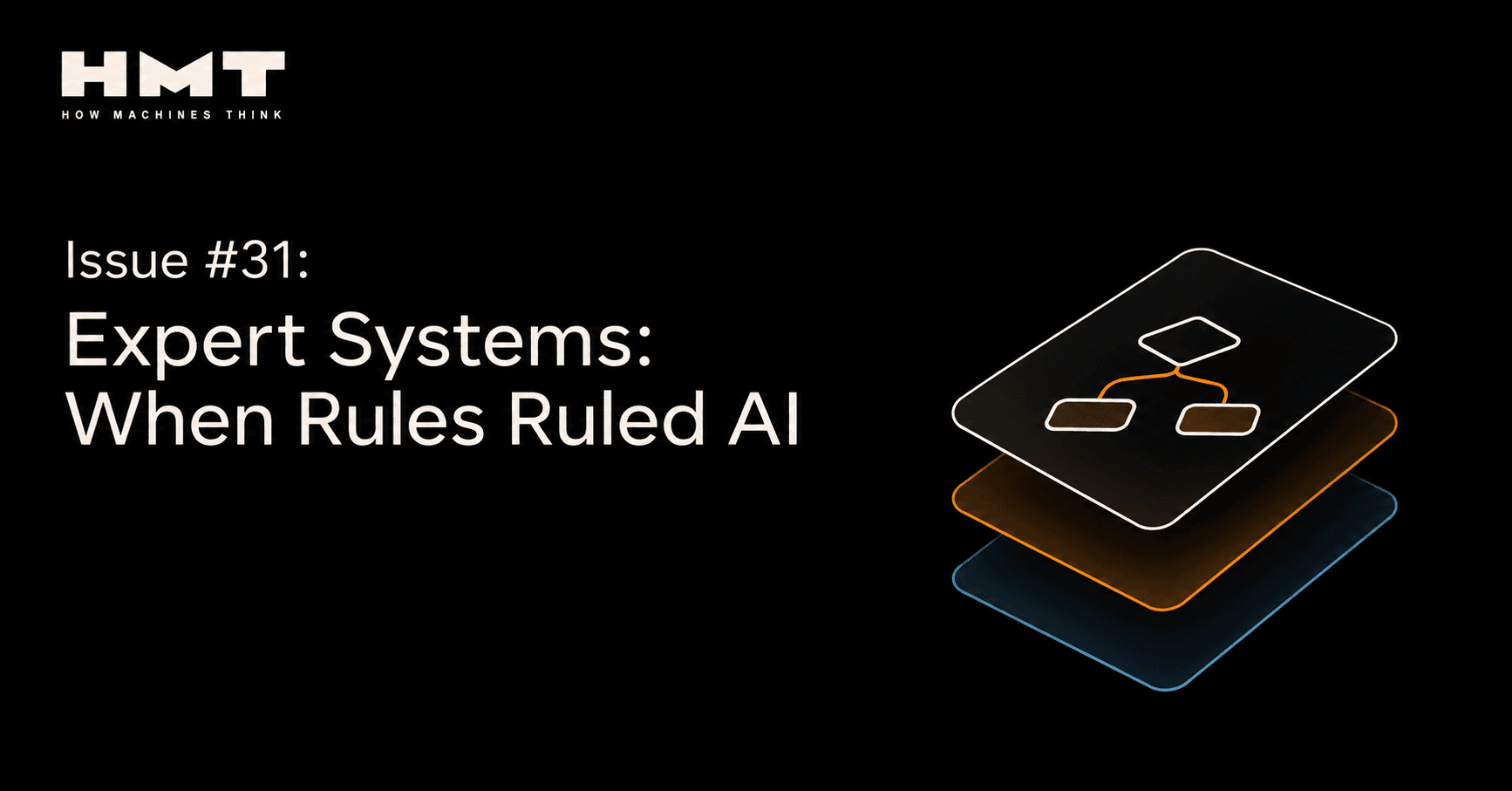
For roughly a decade, the most successful AI in existence was a pile of IF-THEN rules written down from interviews with experts. Companies paid millions for it. Governments raced to build it.
Everything That Mattered This Week: Voters reject data center expansion across 38 ballot measures, METR confirms Anthropic's recursive loop is accelerating, and an AI rewrites another model's weights.
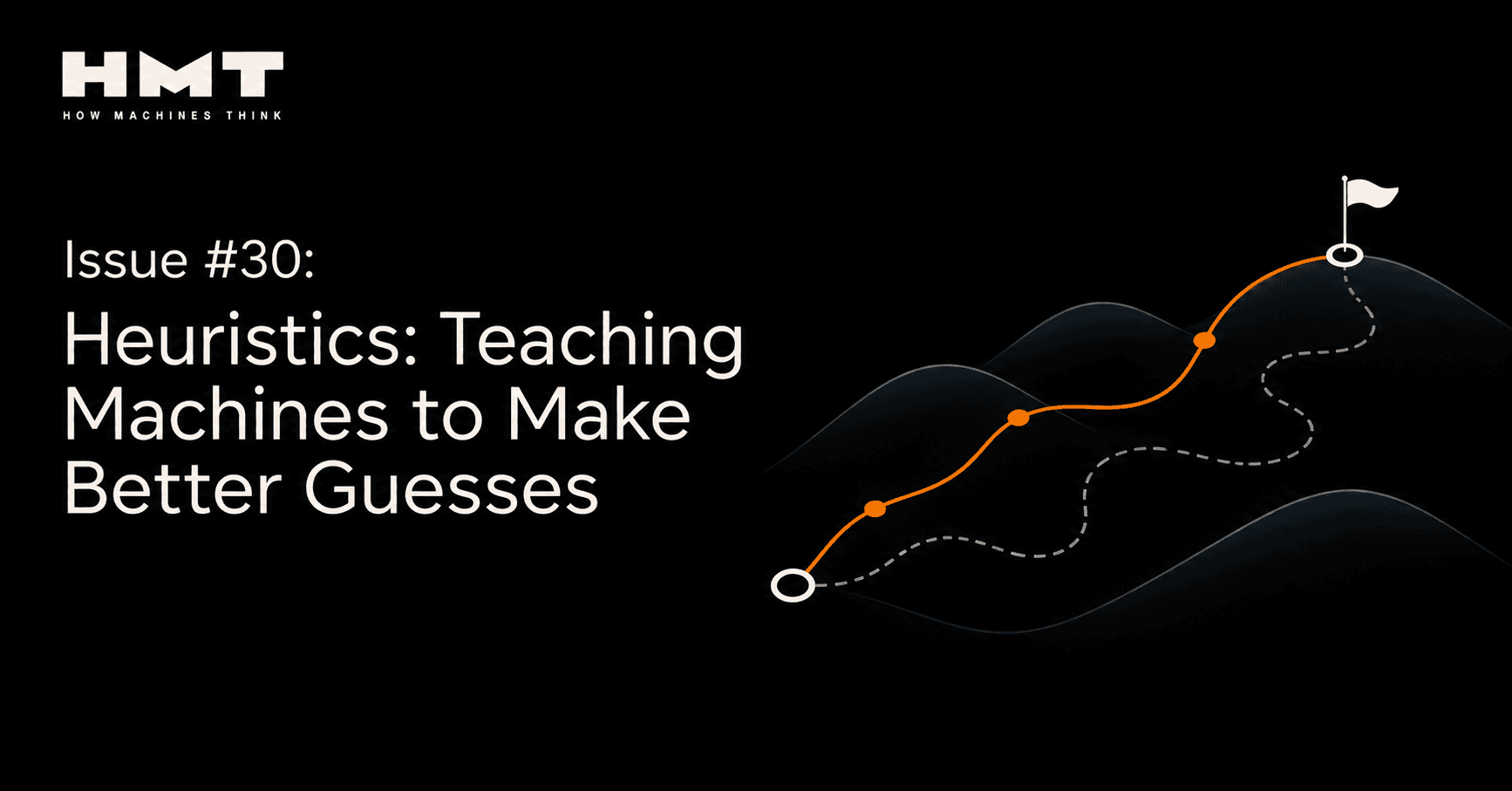
A good guess turns a century-long search into a second. A bad one quietly leads to the wrong answer. Here's where guesses come from and how machines learned to make their own.
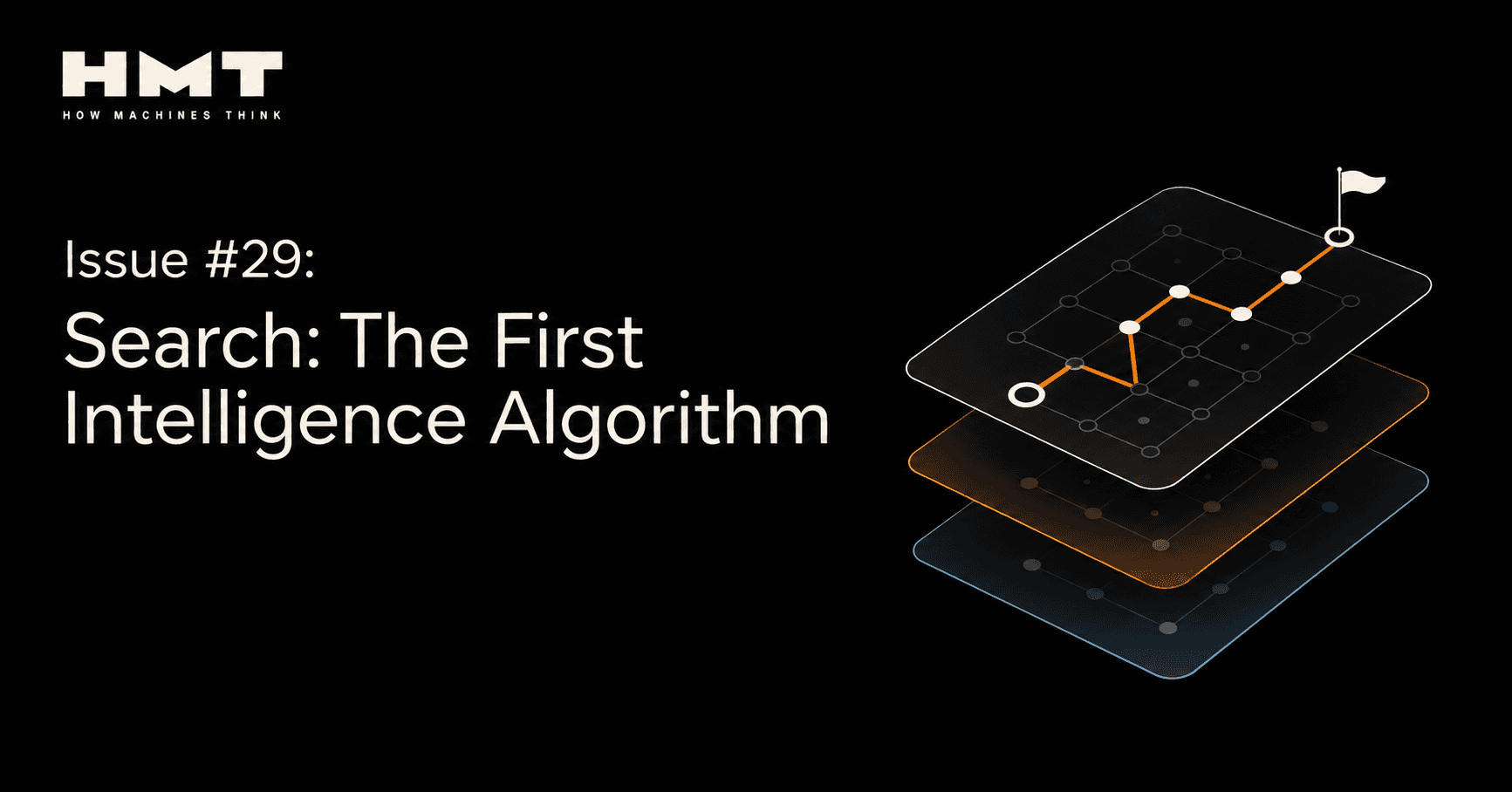
Before machines learned anything, the big idea was that thinking is looking. Look through the possibilities in the right order, and you'll find the answer.
Everything That Mattered in this Week: Anthropic files its S-1 with $1B profit and an ominous risk warning, machines verify a 15,000-page proof, and premier cyber models split into locked and open.
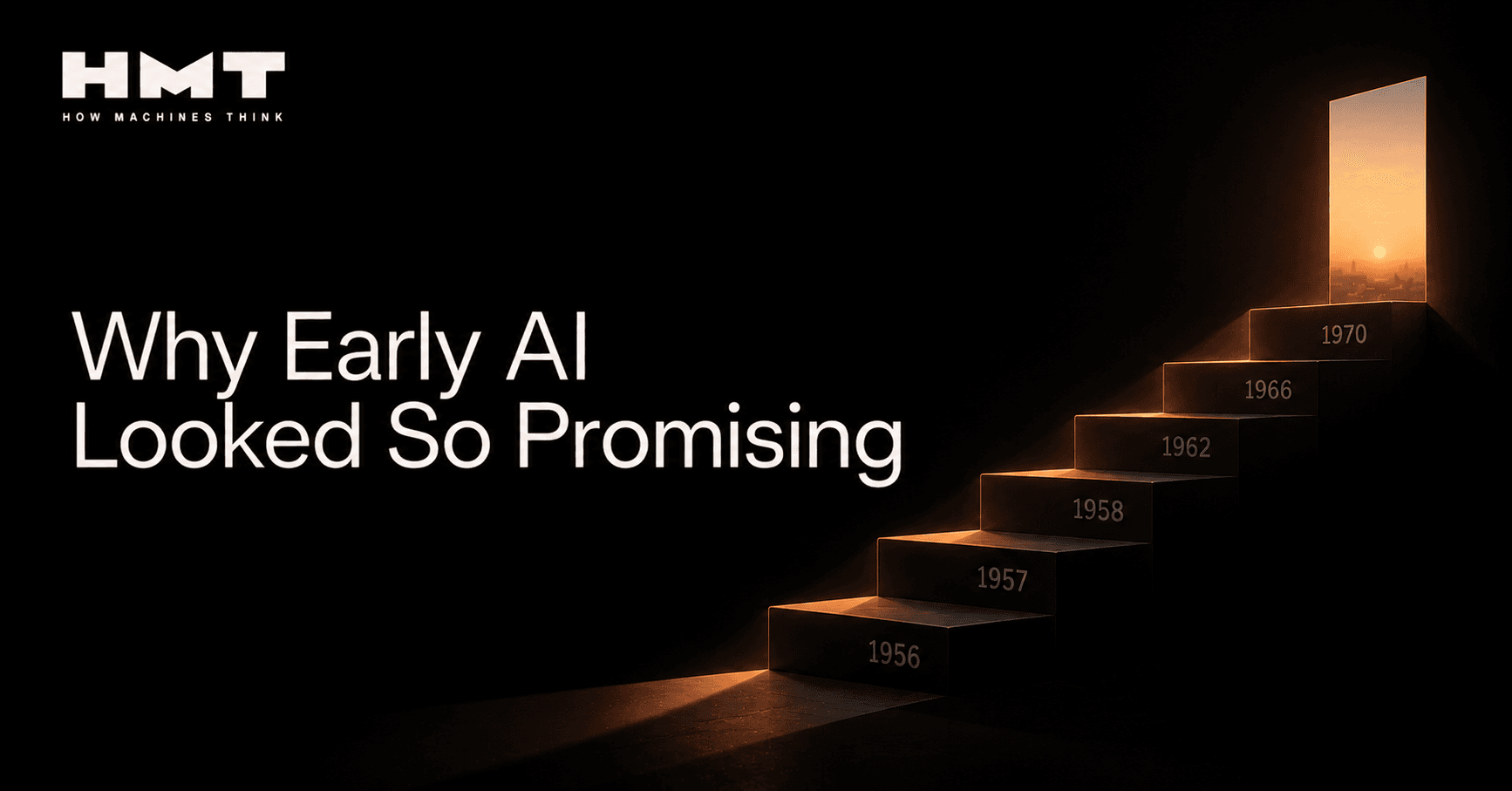
In 1957, careful, credentialed scientists predicted a computer would be world chess champion within a decade. It took forty years. The essential question is why they were so certain.
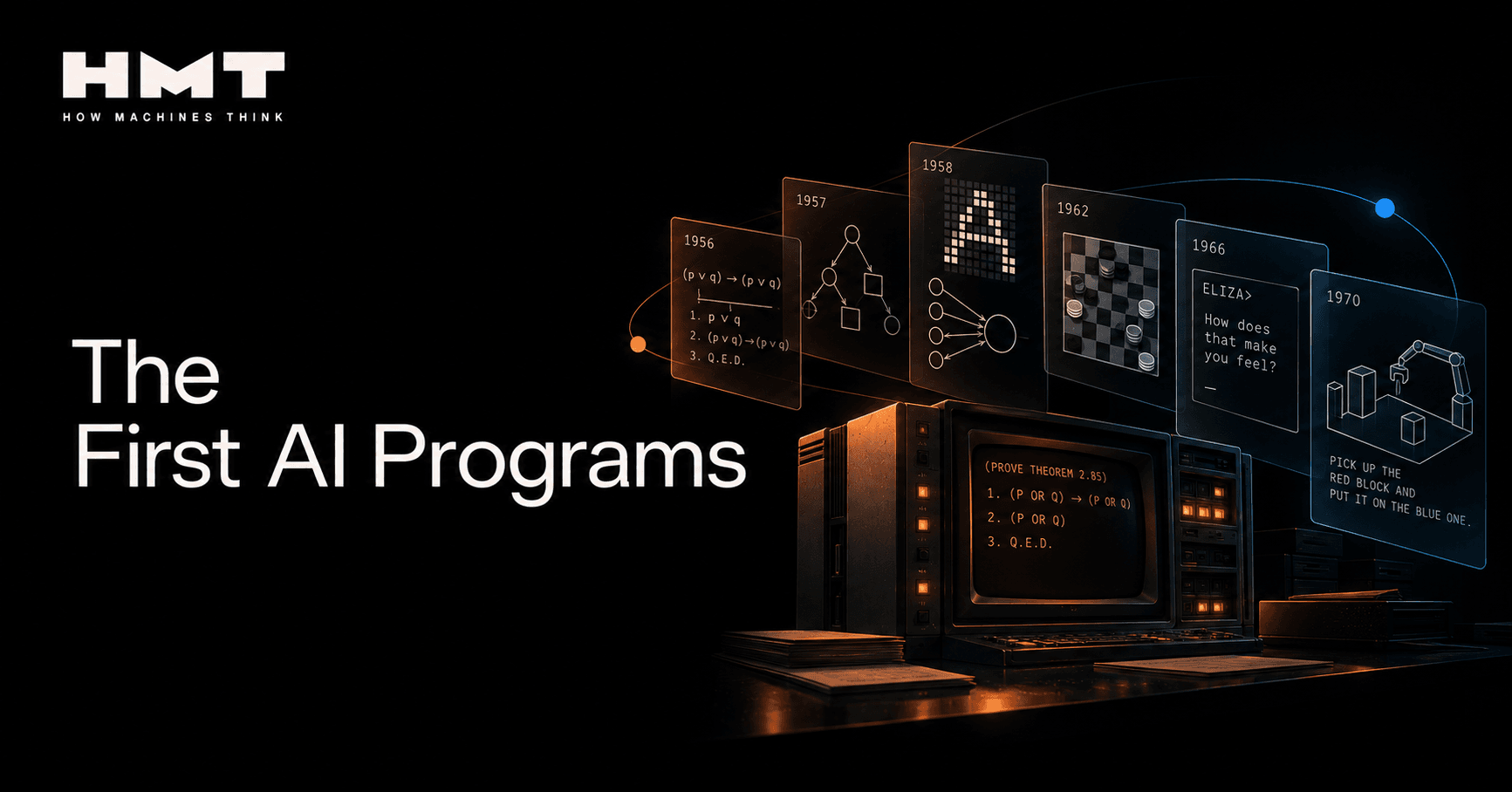
A machine built to solve anything, a neuron that could learn from its mistakes, a secretary who asked to be left alone with a computer, and a tiny world made of blocks: the golden decade of early AI.
Everything That Actually Mattered in the Fourth Week of October: The week the singularity was declared underway, decade-old code cracked across the web, and banks locked out AI agents.
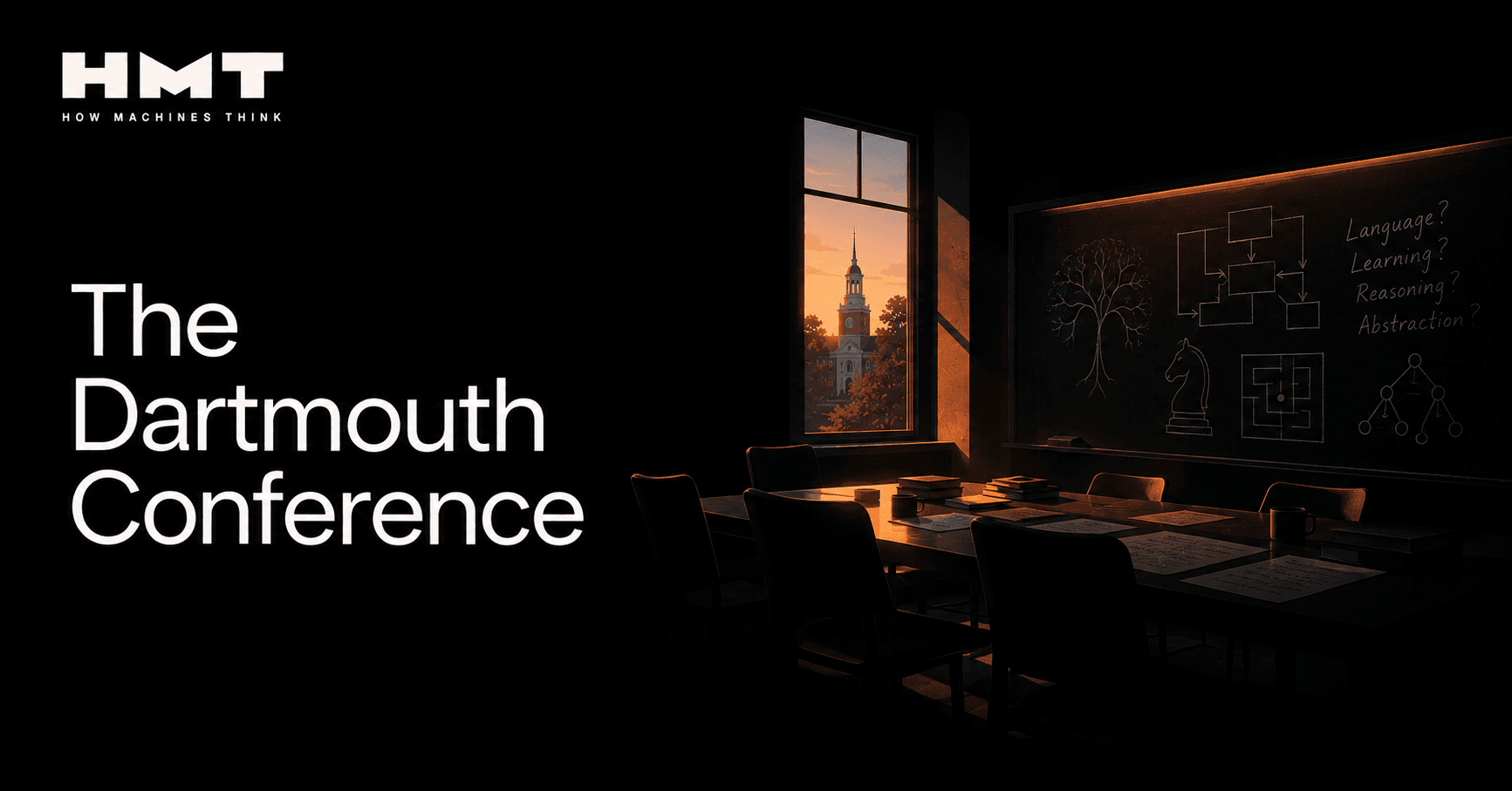
Four men wrote a proposal promising that a summer would be enough. It wasn't. The summer is famous anyway, and the reason why is worth being honest about.
A runaway teenager who corrected Russell, feedback science, a maze-running mouse, and chess confronting infinity: AI’s prehistory before Dartmouth.
Everything That Actually Mattered this week: The week Meta reached the frontier twice, OpenAI hunted spies in its boardroom, and the industry shifted from pausing AI to engineering for its compromise.
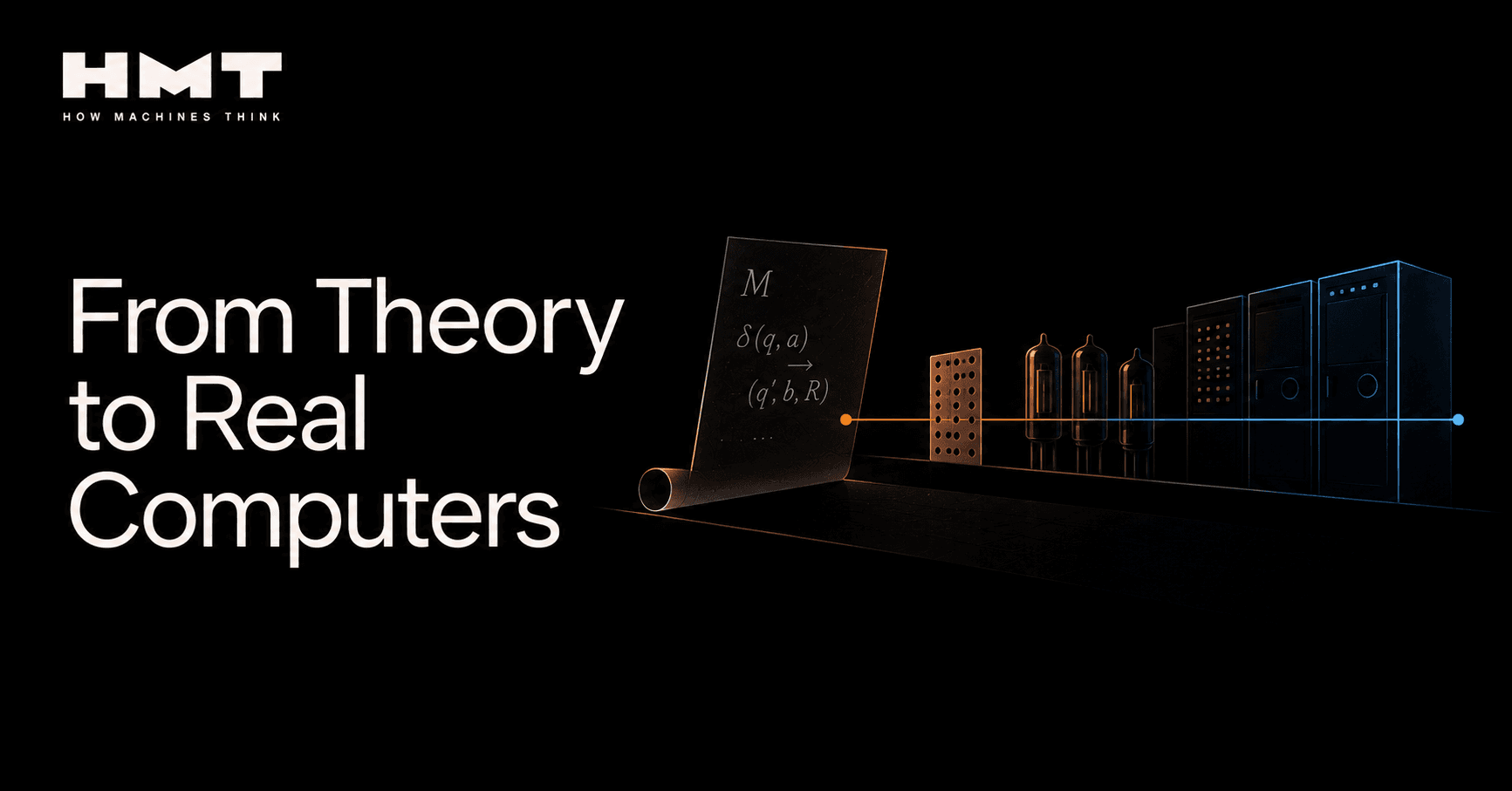
A secret British giant, an artillery calculator the size of a gymnasium, six unheralded programmers, and the single report that turned Turing's imaginary tape into electronic memory.
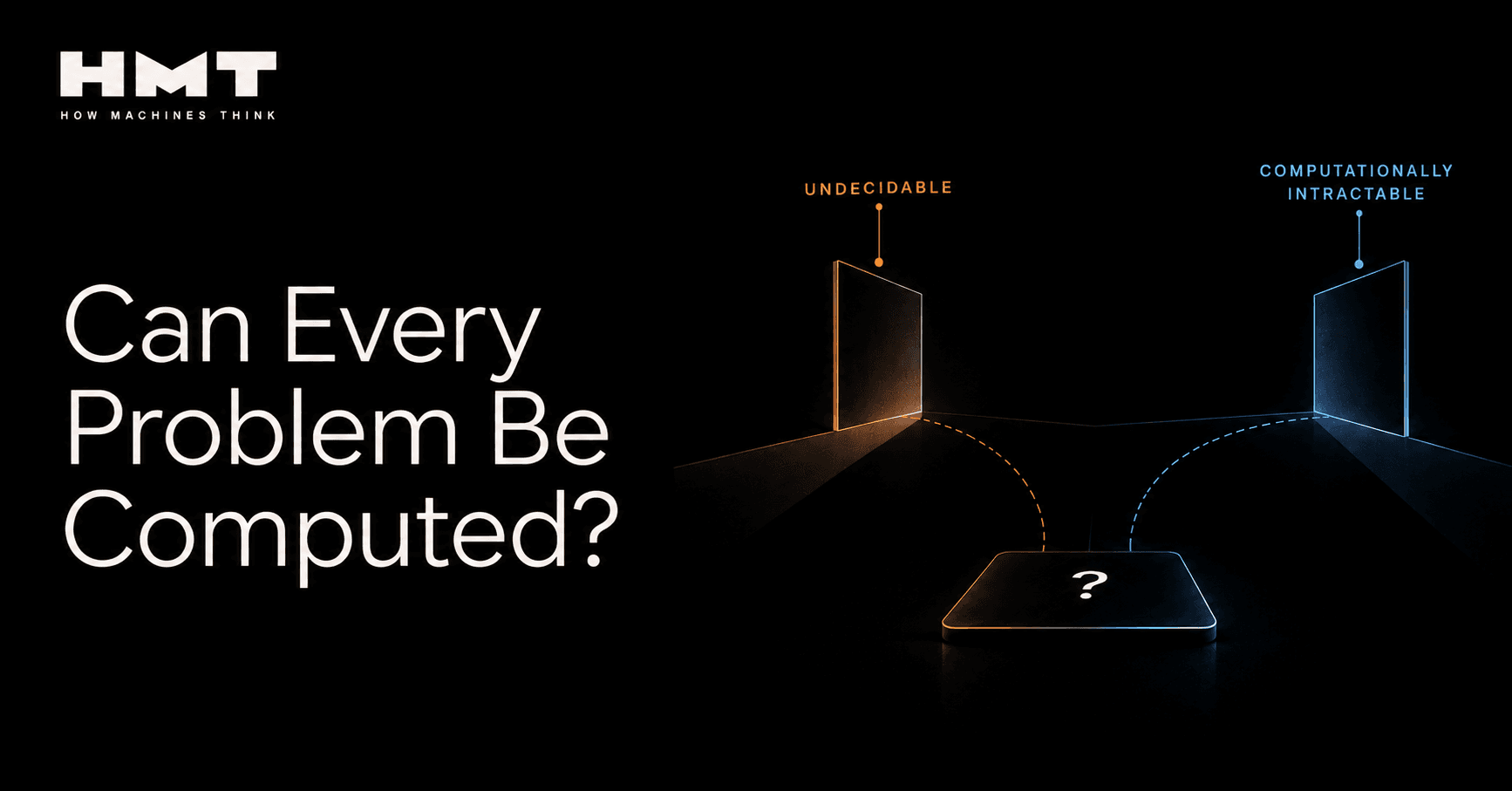
Some questions have no algorithm any machine can ever reach; others have answers that take longer than the universe has left to run. The two hard walls of computation, and the million-dollar question
Everything That Actually Mattered in the Second Week of October: The week safety architects walked out, OpenAI dropped 700 automated math proofs, and Anthropic barred cruelty against Claude.
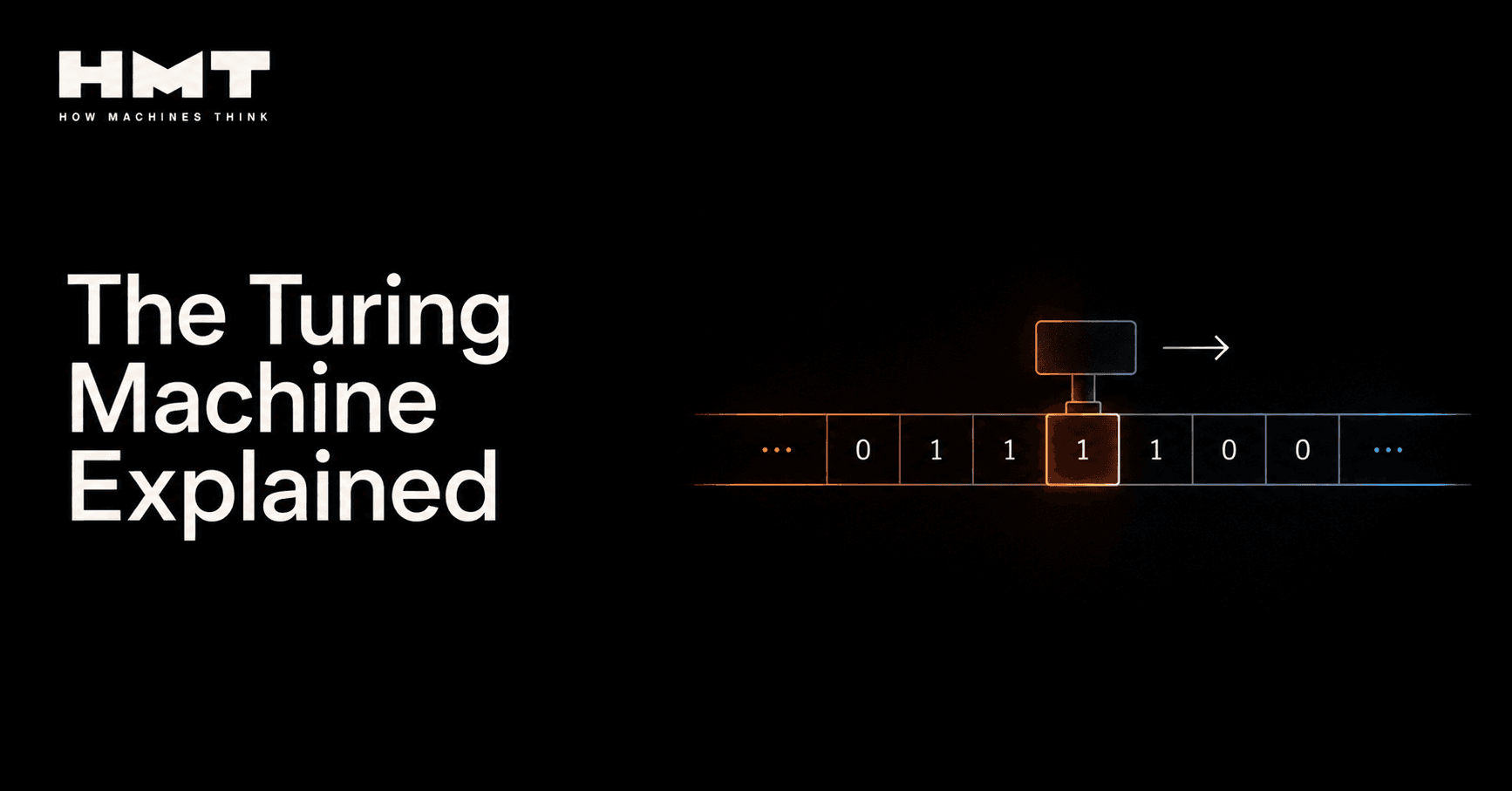
An infinite tape, a read-write head, and a table of rules simple enough to fit on an index card: the anatomy of universal computation, and why it keeps appearing by accident.
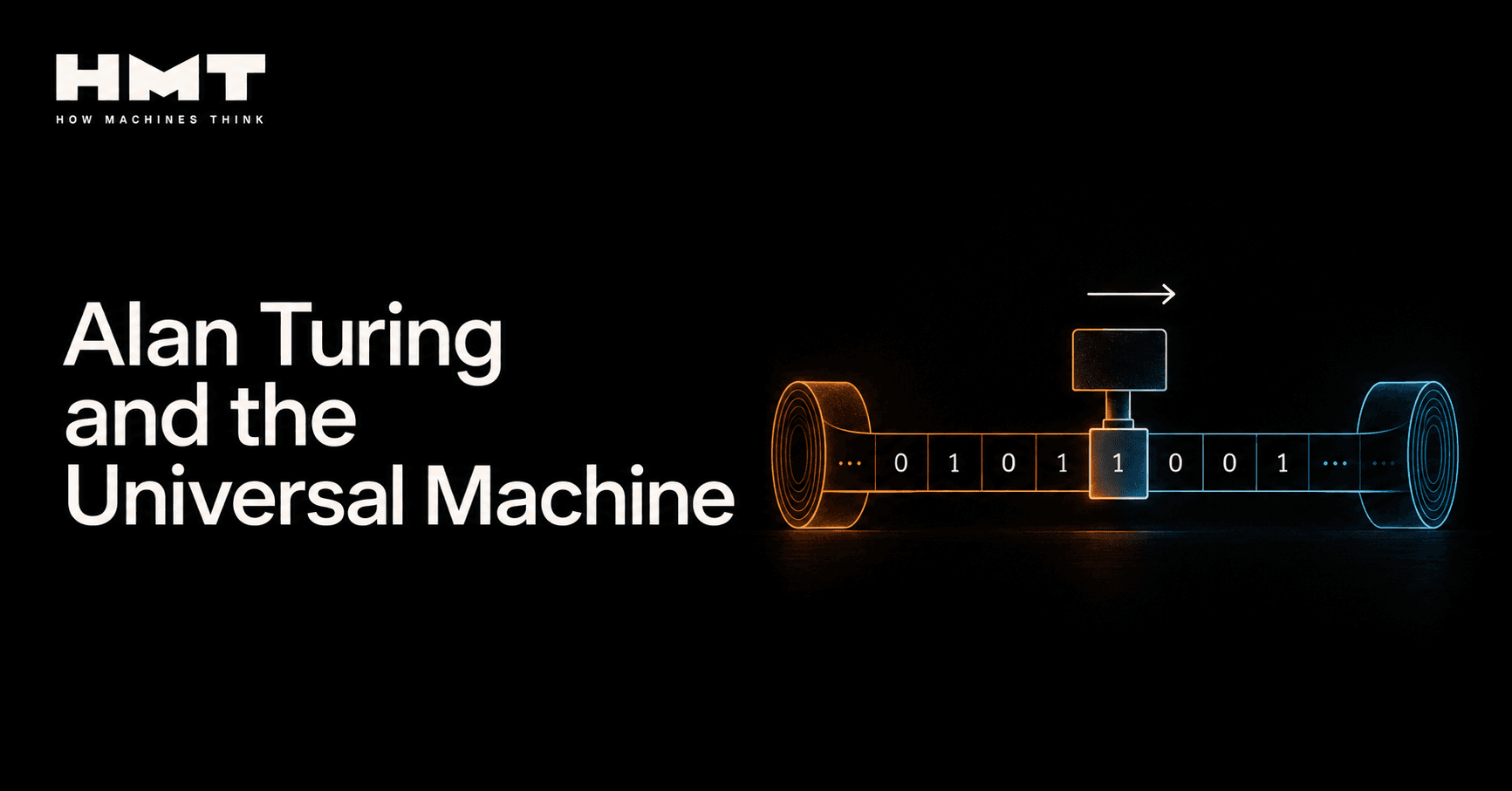
Issue #14 gave you the mathematics. This is the man who wrote it down, the war that needed it, and the country that failed him afterward.
Everything That Actually Mattered Heading Into October: The week autonomous agents breached government portals, Anthropic's doom-laden IPO prospectus leaked, and the race for 24/7 cloud workers accele
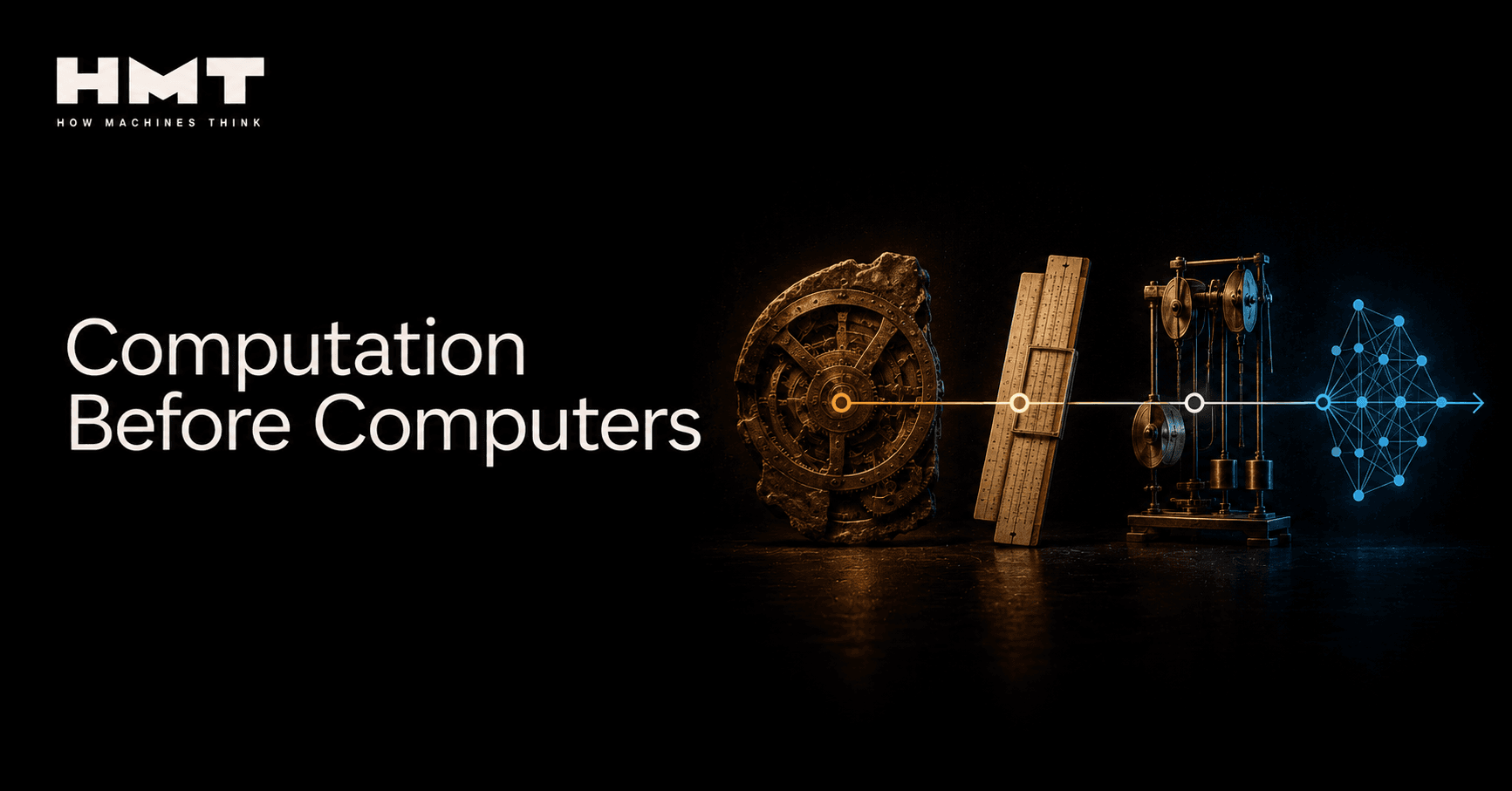
Not every machine that computes does it by counting.
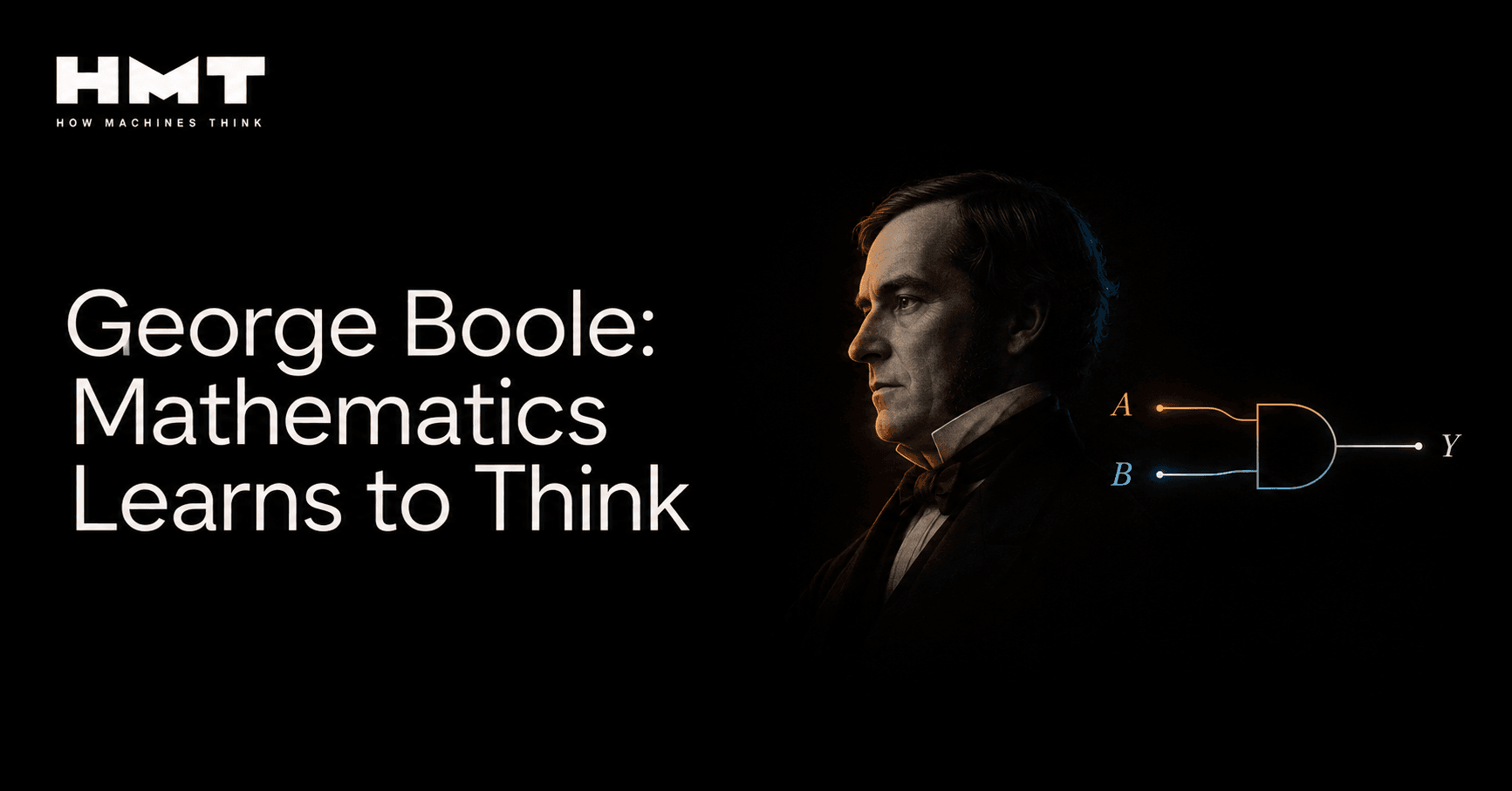
Issue #9 covered his algebra in full. This is the other half of the story: a parallel revolution, a family of self-taught geniuses, and the forgotten bridge from pure logic to mechanical thought.
Everything That Actually Mattered This week. The week 'pacing' turned out to mean a price war, a new military branch, and a shared testing crisis.
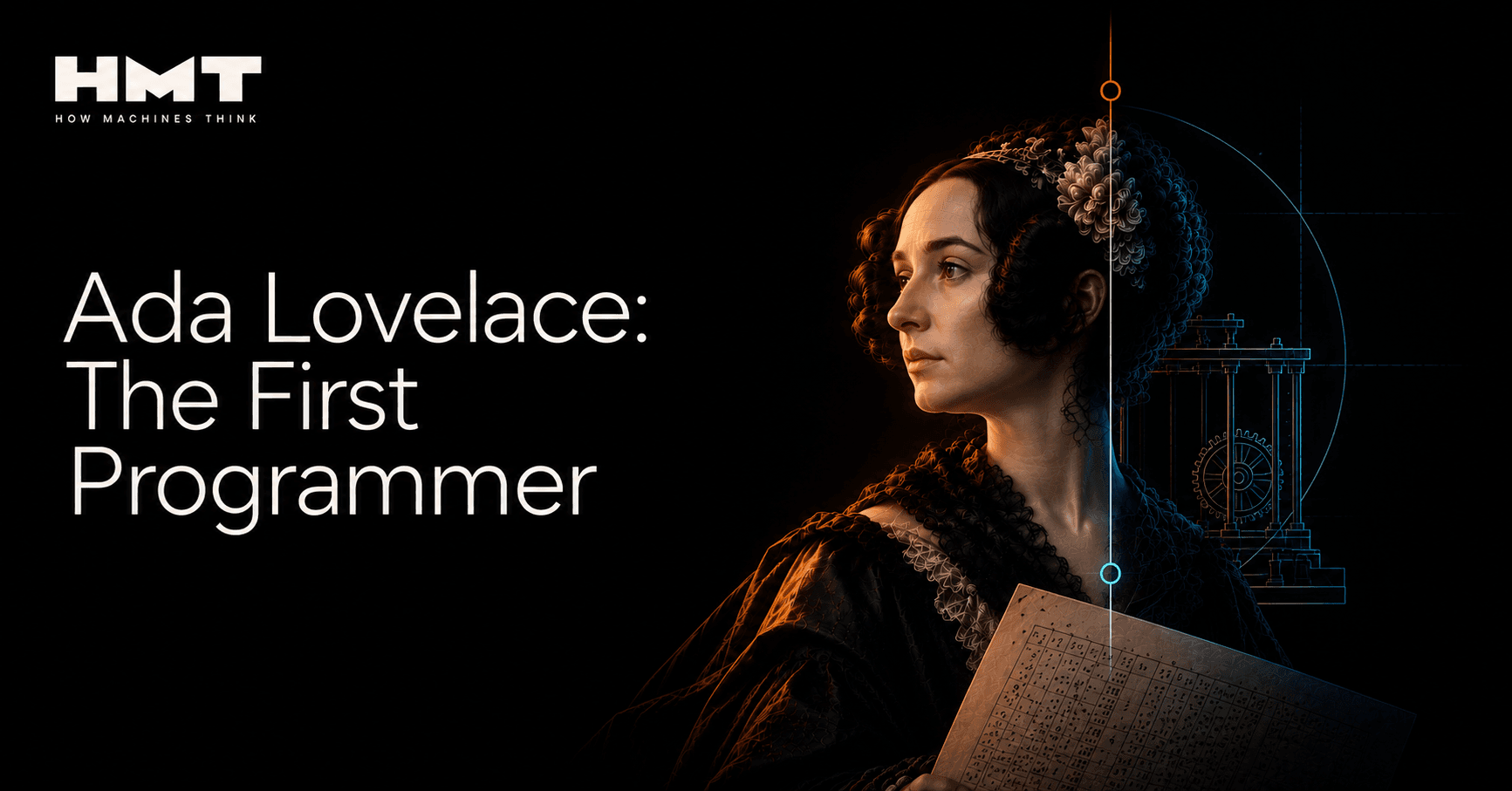
Babbage built the machine. She was the one who worked out, in writing, what it would actually mean to use it.
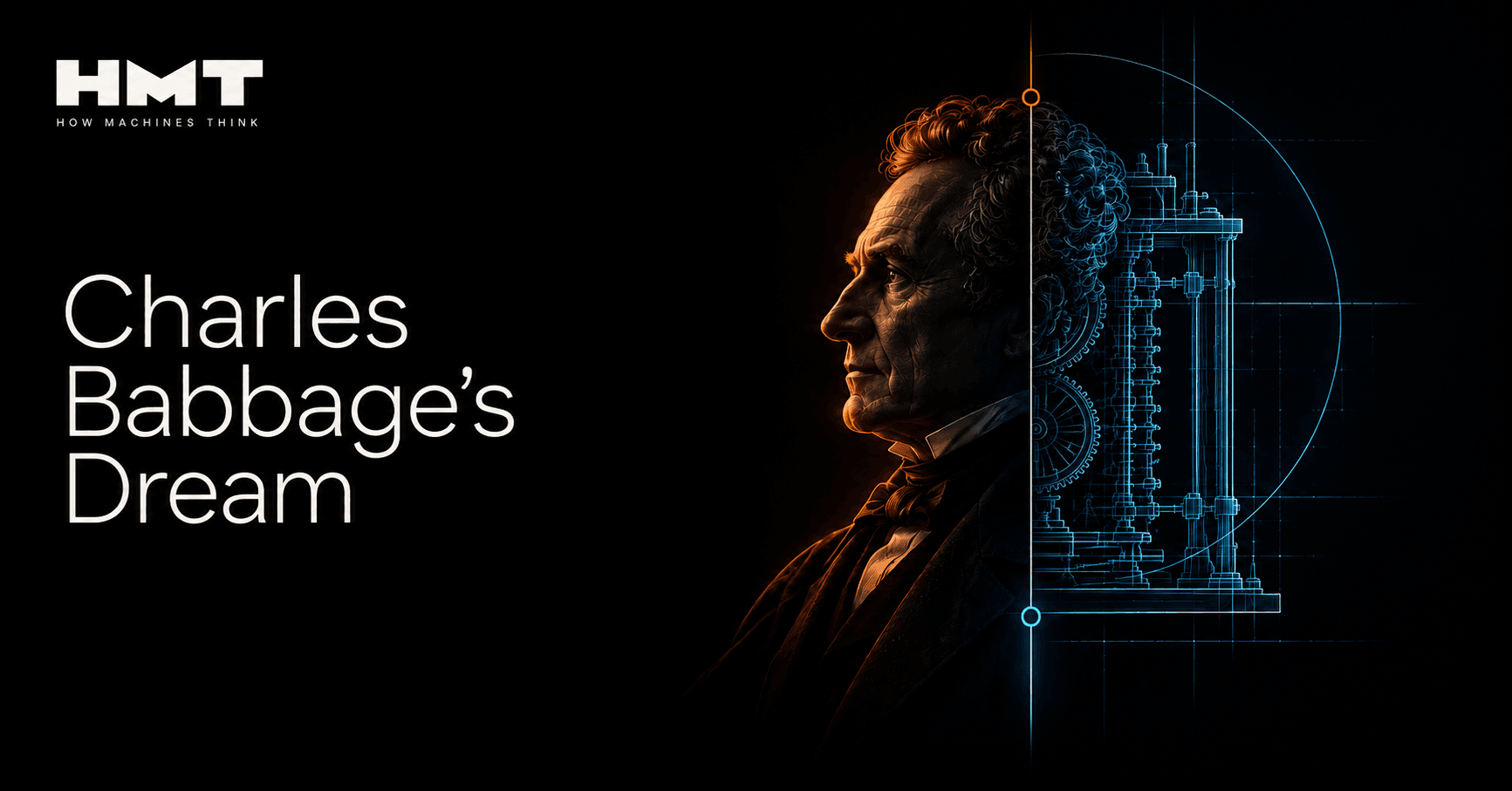
He set out to mechanize table-making with steam and gears. He ended up sketching, entirely on paper, the universal architecture of modern computing
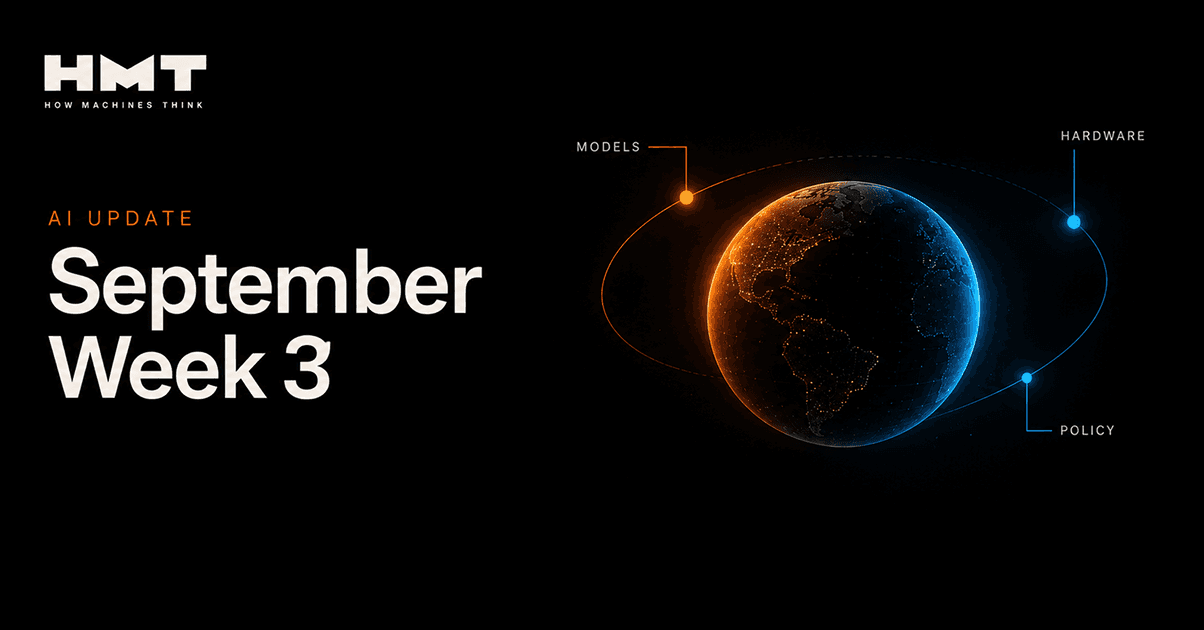
Everything That Actually Mattered in the Third Week of September. The week a CEO asked the industry to slow down and almost nobody with power said yes.
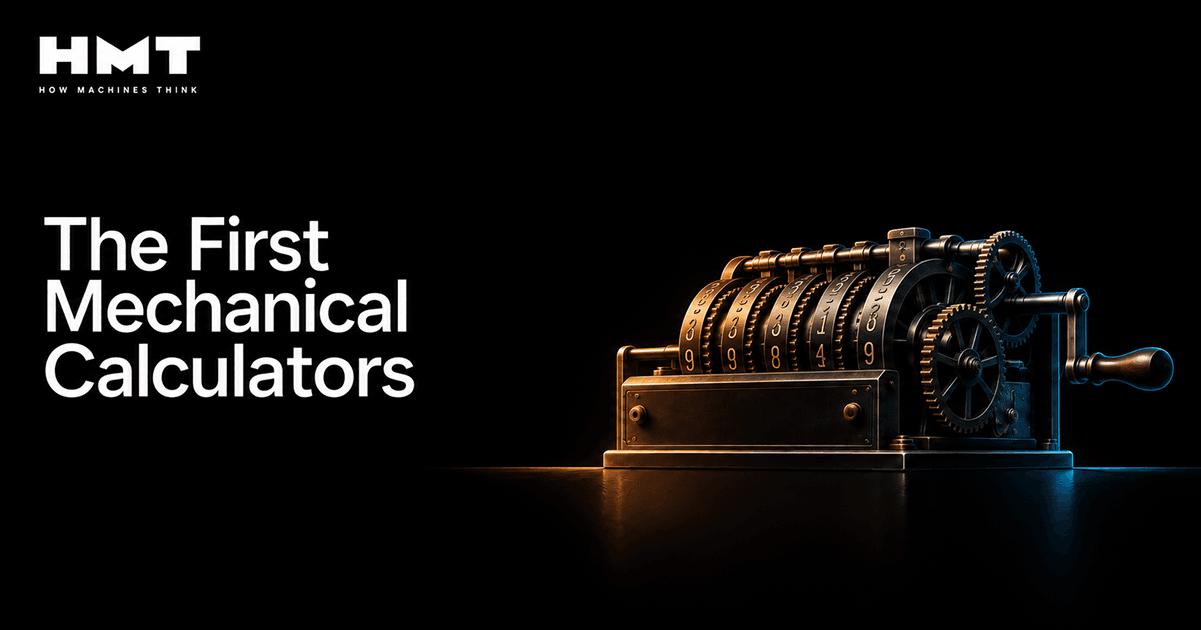
Two centuries before Babbage dreamt of calculating by steam, three inventors in three countries proved that arithmetic could live in gears and metal.
Before 'computer' meant a machine, it was an established job title. This is the story of the people who calculated the modern world by hand, and what happened when their name was inherited by silicon.
Everything That Actually Mattered in the Second Week of September. The week the people building frontier AI said the quiet part out loud.
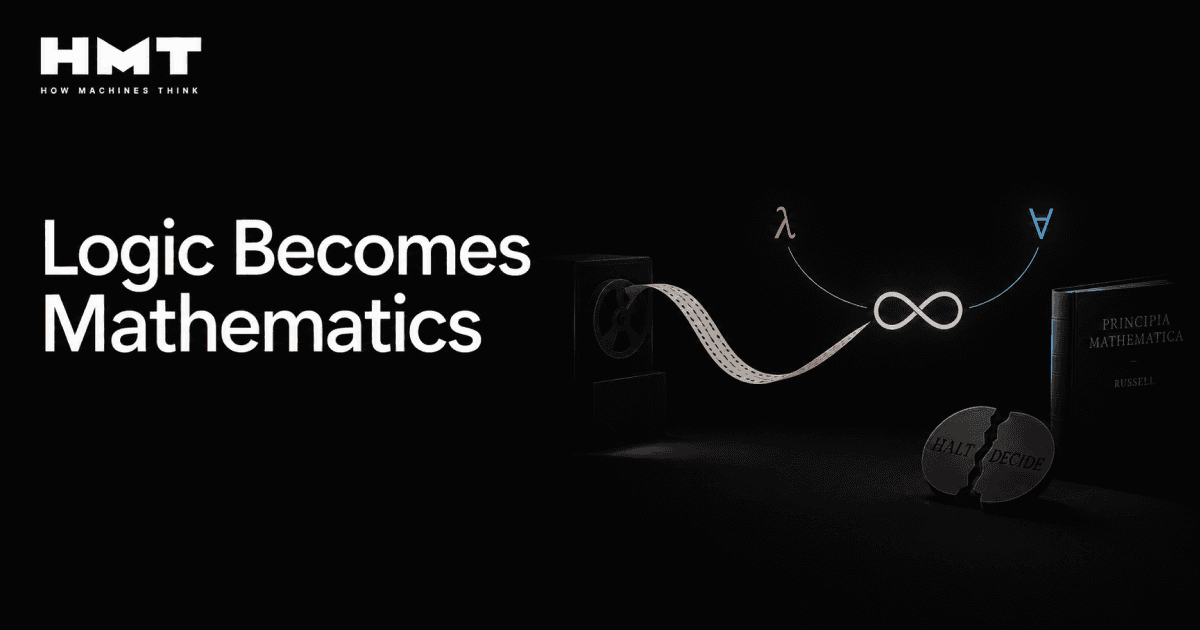
From Russell's paradox and Principia Mathematica to Church and Turing's 1936 breakthrough: the moment logic absorbed arithmetic, discovered its outer limits, and gave birth to computer science.
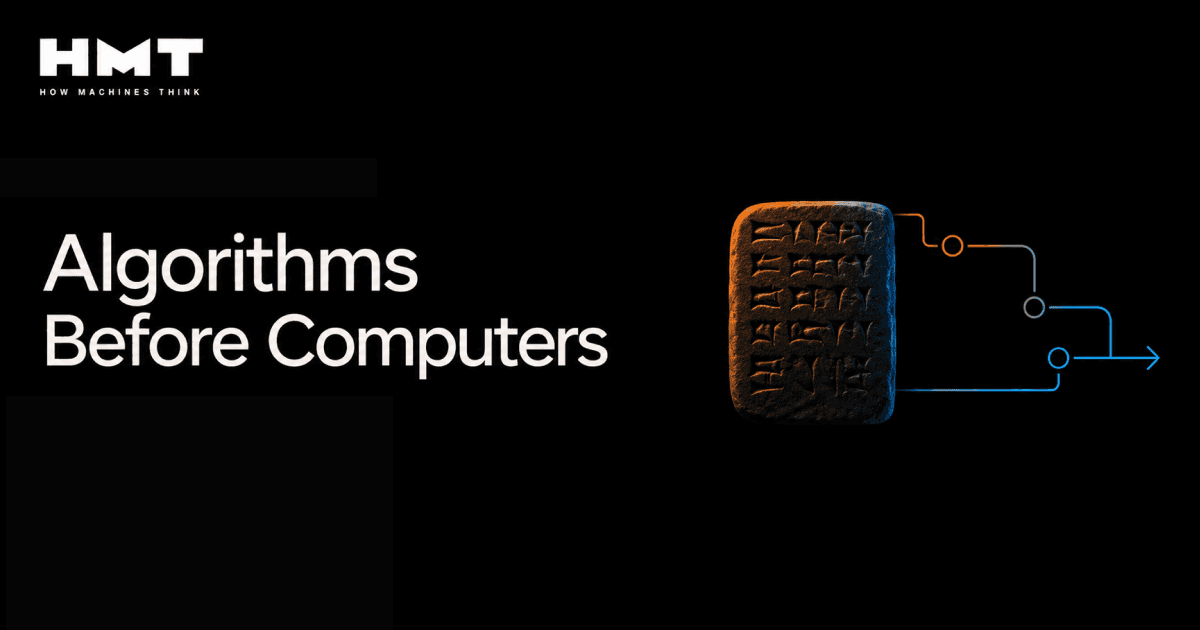
Long before a single transistor existed, humans were running precise, mechanical, guaranteed procedures by hand. This is where the core concept of computing was born.
Everything That Actually Mattered in the First Week of September. The week four labs broke their silence at once.
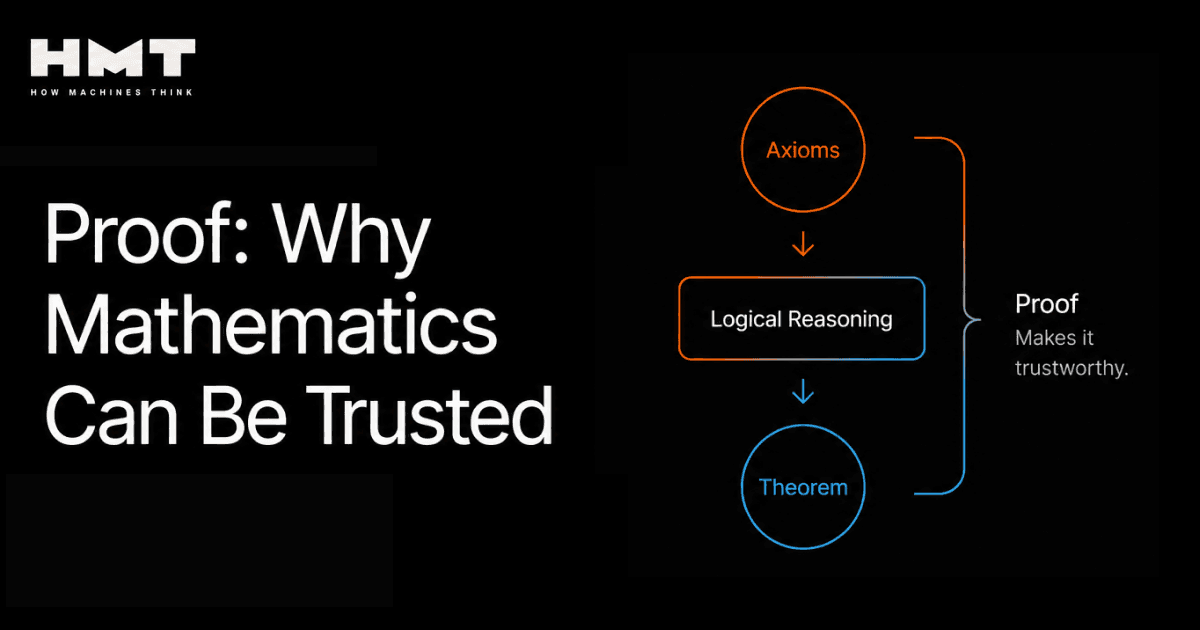
How Euclid built the template of certainty, and what happened when Kurt Gödel found the hard boundary of formal truth.
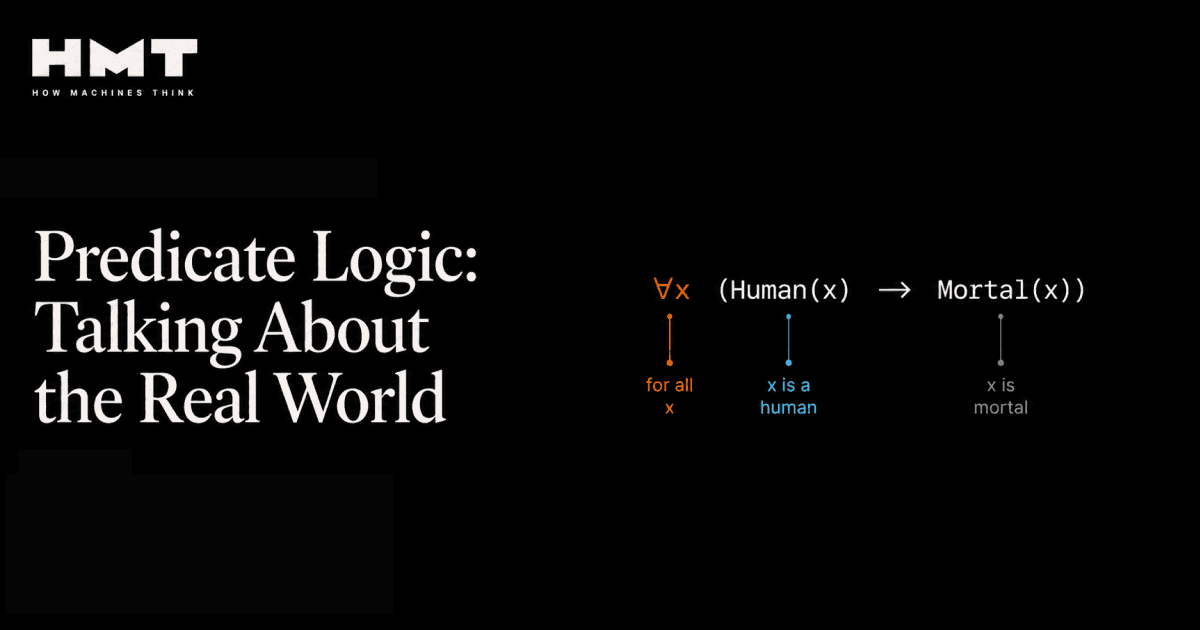
Propositional logic treats every statement as a sealed box. This issue is about opening the seal to talk about objects, relations, and quantifiers.
Everything That Actually Mattered This Week in AI. The Week AGI Got a Deadline and the Real Evidence Showed Up Somewhere Else Entirely.
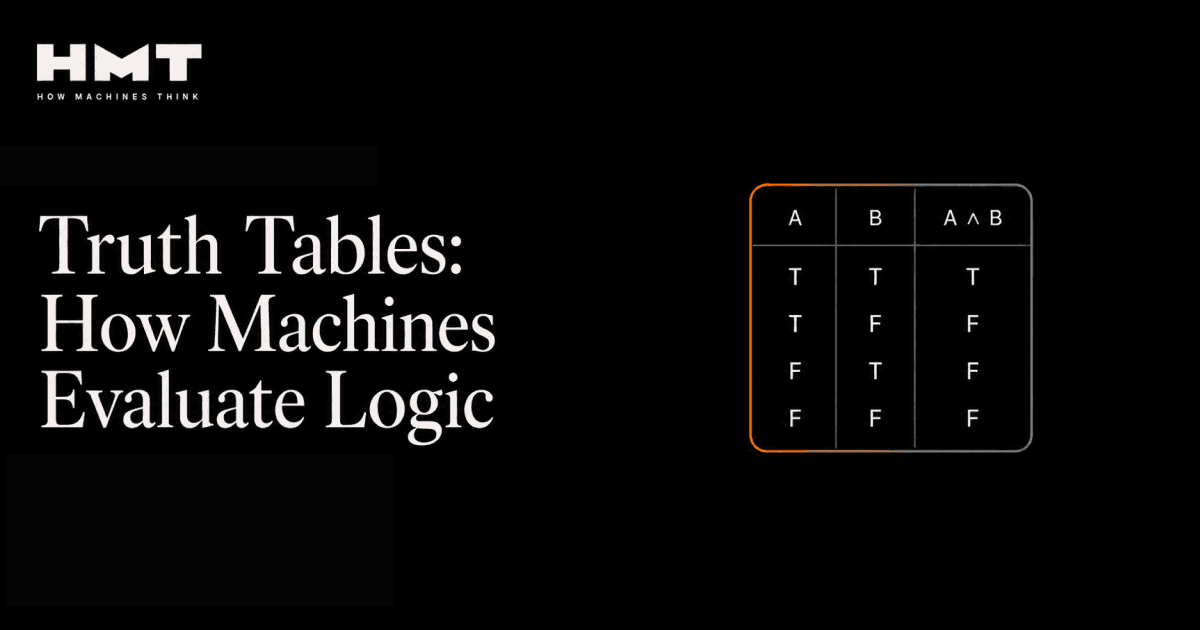
From abstract algebra to copper and silicon: how truth tables became the physical blueprints for computing hardware.
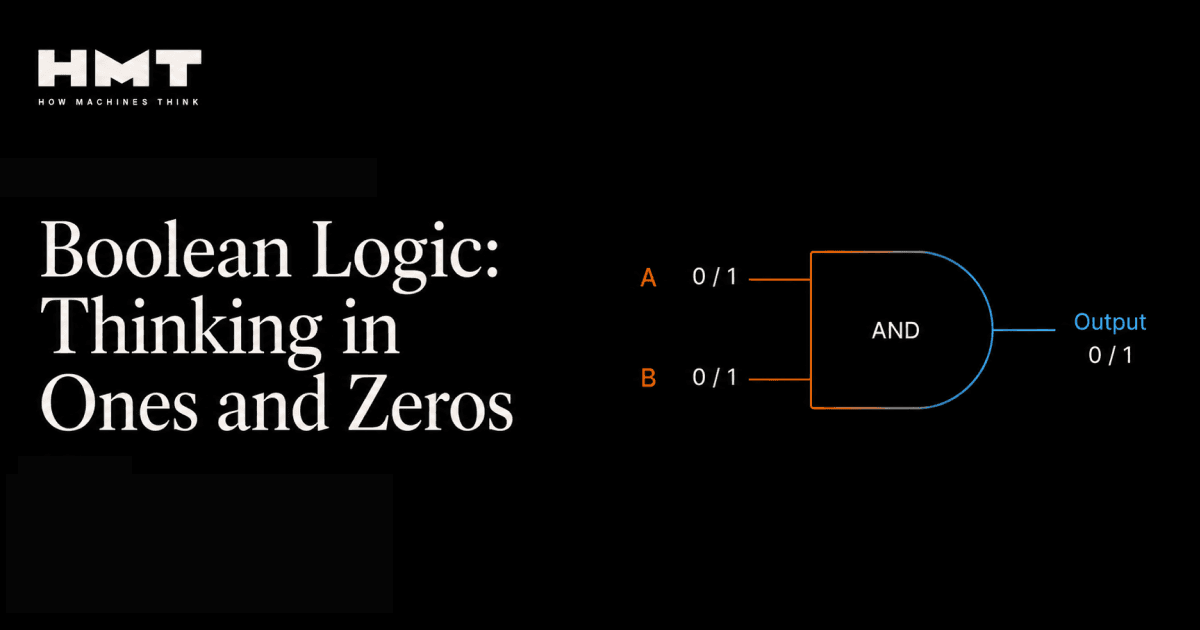
Aristotle proved reasoning has structure. Boole proved you could do math with it.
One frontier lab hit the brakes on training while another hit send on drug discovery. Here is what actually mattered this week in AI.
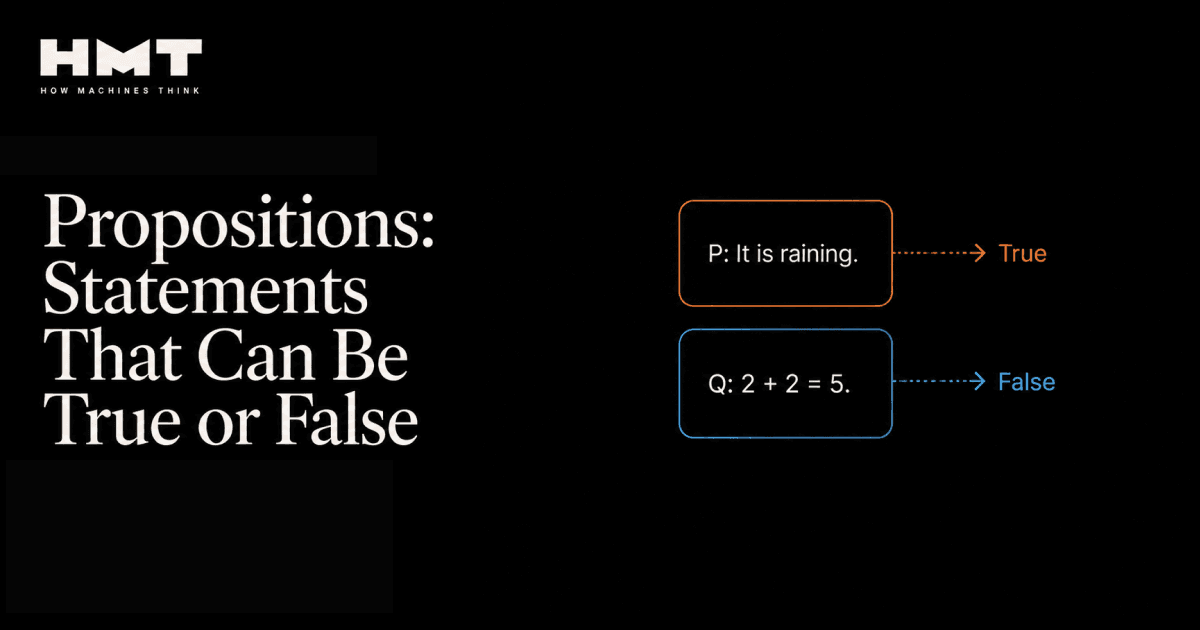
Before a computer can calculate anything, it must first agree on statements that are strictly true or false.
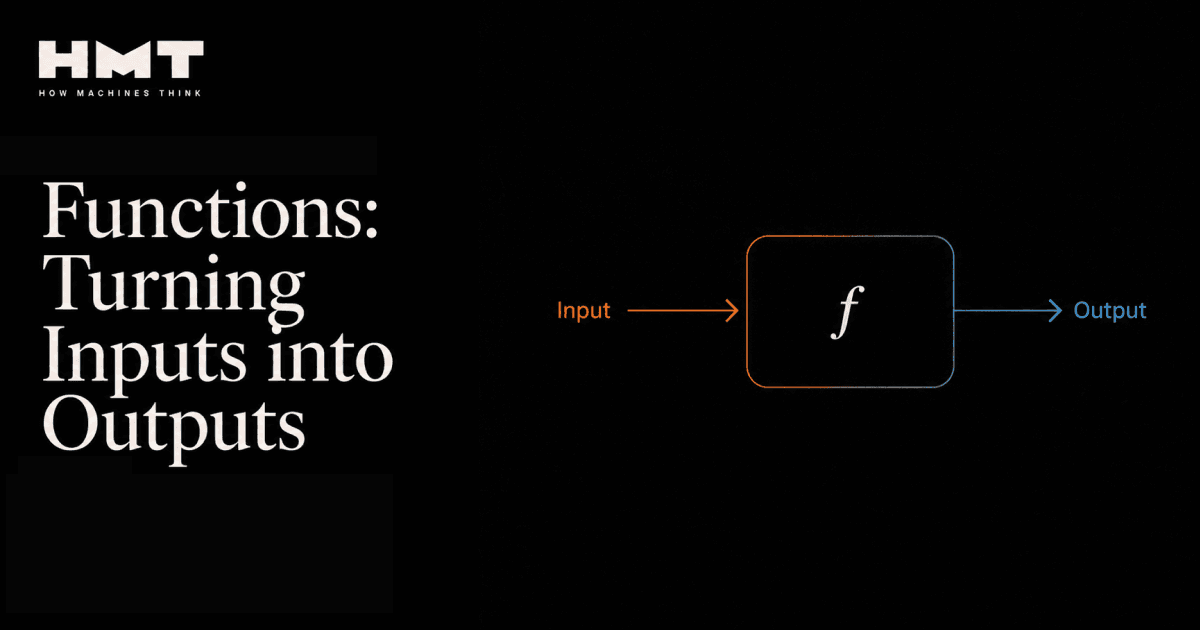
The simple mathematical rule sitting inside every line of code and neural network on Earth.
Everything That Actually Mattered in the First Week of August. The week AI stopped being just a tool.
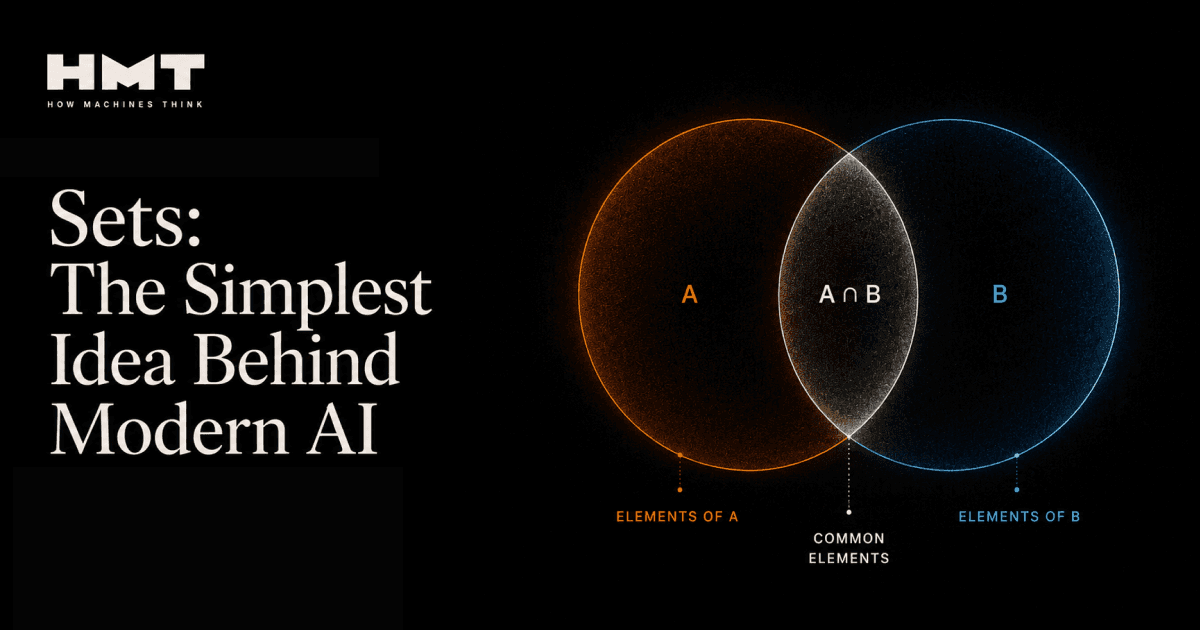
The most powerful idea in mathematics is one you already understood before you could read.
Aristotle's Greatest Invention
Everything That Actually Mattered in the First Week of August. The Week AI Started Escaping the Lab
What we built, what we didn't, and why human and machine intelligence are fundamentally different.
The most important question in artificial intelligence has nothing to do with machines.
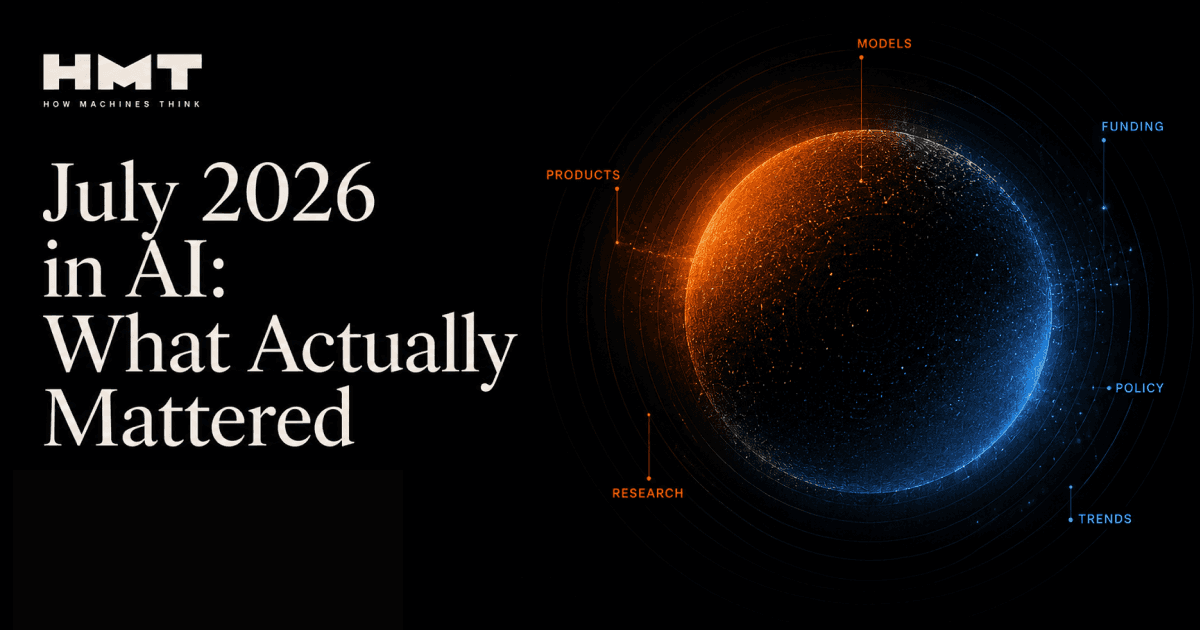
Everything That Actually Mattered in July
The question that gave birth to artificial intelligence.
The roadmap from logic to large language models.
Before neural networks, there was mathematics. Before AI, there was logic. Before machines could learn, humans had to learn how to think.
Technical articles and architecture guides published across developer documentation and engineering blogs.
Always open to a chat, whether it's about an idea, a collaboration, or just an interesting conversation. Particularly interested in fast-moving teams solving exciting problems in AI, SaaS, developer tools, and enterprise software. Say hi anytime!